
55 articles
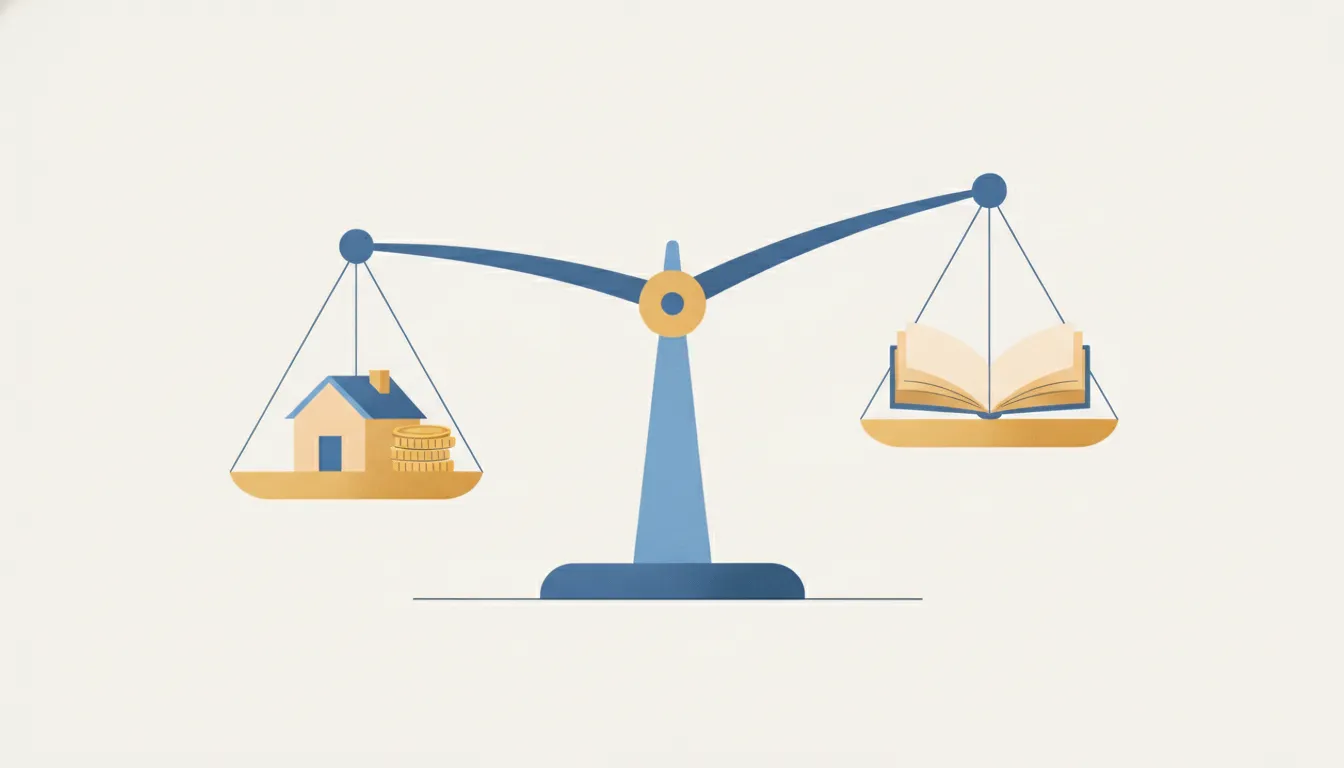
Debts, Home, Savings: Reading Your Household Balance Sheet
A three-sided household balance sheet separates debts, home equity and savings. Learn how each side works and why the mortgage and cash cushion matter.
Read the guidance →
Bills, Notes and Bonds: Where Benchmark Interest Rates Come From
Understand how Treasury bills, notes and bonds differ, and why yields on this government debt tend to move in step with mortgage and other consumer loan rates.
Read the guidance →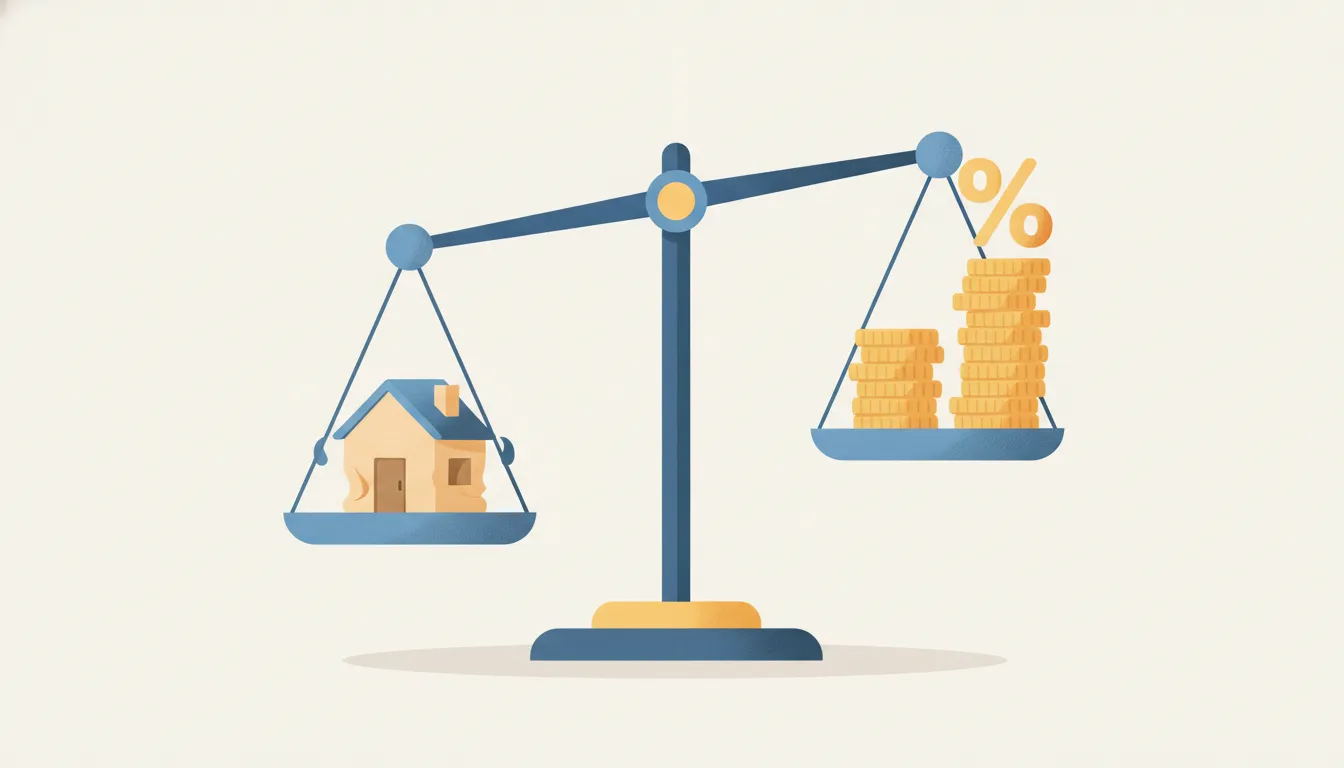
How a Rate Change Reshapes the Home a Payment Can Buy
See how a mortgage rate change alters what the same monthly payment can borrow, and why appreciation is an uncertain offset when weighing owning and renting.
Read the guidance →
Unclaimed Money: How to Check If Some Is Waiting for You
Learn how bank balances, refunds and other money end up as unclaimed property, where to search for it for free, and how to spot scams that target claimants.
Read the guidance →
Interest Is the Price of Time: How Rates Shape Your Goals
Learn why an interest rate is really the price of time, and how rising or falling rates change how quickly a household can spend, save or repay.
Read the guidance →
Credit Card Debt vs. Savings: Why the Gap in Rates Matters
Compare what savings earn with what a credit card balance costs, see how card interest compounds, and learn which questions help clarify your own trade-offs.
Read the guidance →
Inverted Yield Curve: What It Means and What It Doesn't
Learn what an inverted yield curve is, why it gets attention as a recession signal, why economists caution against over-reading it, and what it means for loans.
Read the guidance →
Is Your Home's Value Really Rising? Nominal vs. Real Growth
Learn the difference between nominal and real home value growth, see a worked example that adjusts for inflation, and understand why local markets matter.
Read the guidance →
How a Mortgage Amortization Schedule Really Works
See how a 30-year mortgage amortization schedule splits each payment, why the balance falls slowly at first, and what extra payments and refinancing change.
Read the guidance →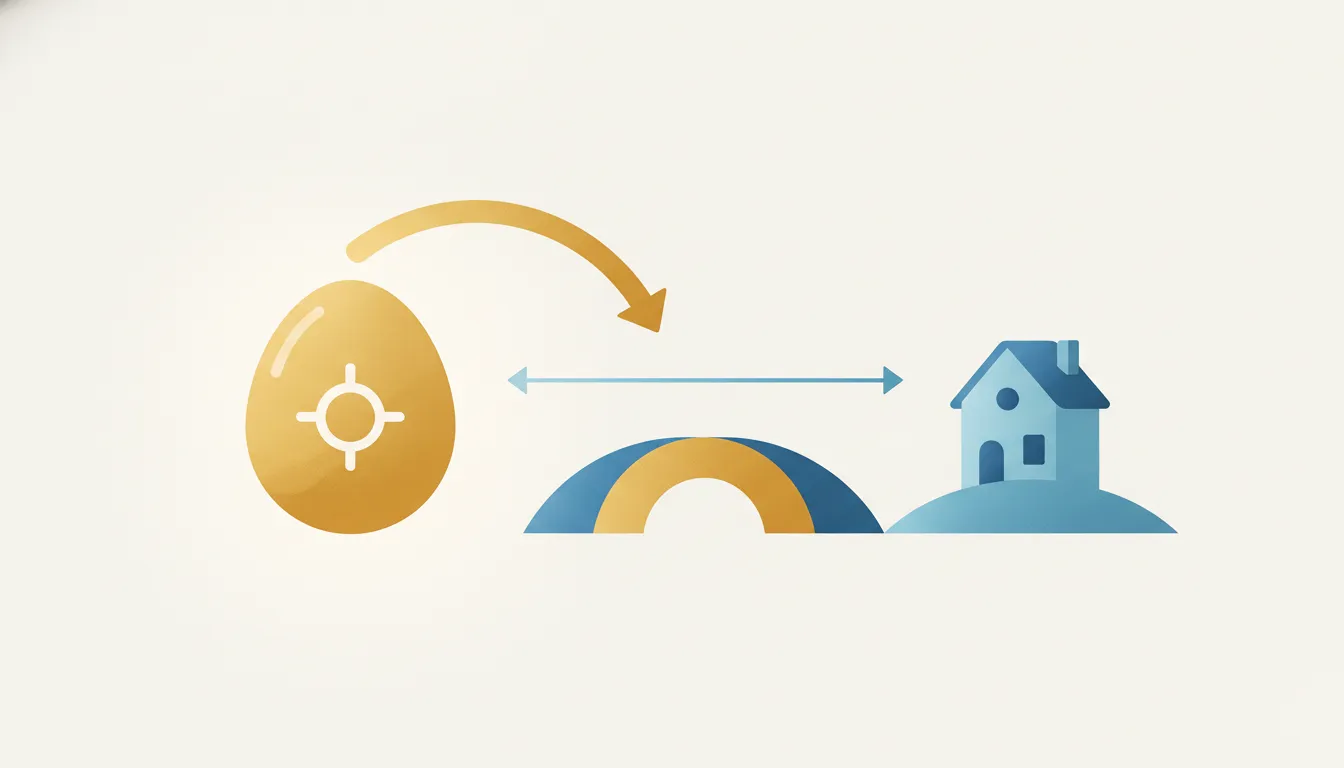
Borrowing From a 401(k) for a Down Payment: What to Weigh
Learn how 401(k) plan loans generally work, what the IRS says about limits and repayment, and which trade-offs to weigh before using one for a down payment.
Read the guidance →
Borrow or Pay Cash? Start With Your Monthly Cash Flow
Use a simple three-layer cash flow model to think through borrowing versus paying cash, with a worked budget example and the questions that shape the choice.
Read the guidance →
Housing Affordability: Three Levers and How Each Moves the Payment
See how home price, income and mortgage rate each affect a monthly payment, with a worked example of how far each would need to move to restore affordability.
Read the guidance →
Locked In by a Low Mortgage Rate? Questions to Ask Before Moving
If your mortgage rate is lower than today's, moving can mean a much higher payment. See a worked comparison and the questions that help weigh the decision.
Read the guidance →
What Goes Into a Mortgage Rate? Market and Borrower Factors
Understand how longer-term yields, mortgage-backed securities, lender costs, and borrower details can all shape a mortgage offer.
Read the guidance →
Liquidity Before You Need It: Planning for Cash Flow Surprises
Learn what liquidity means for a household and compare cash reserves, credit cards and a home equity line of credit, including their costs, limits and risks.
Read the guidance →
When Rates and Prices Swing: What a Household Can Manage
Rates and home prices move in cycles no household controls. Learn how to separate outside forces from your own choices, and why fear makes planning harder.
Read the guidance →
Your Blended Rate: What All Your Debts Cost Together
Learn to calculate the blended rate on your mortgage and other debts, and why moving card balances into a mortgage can trade a lower payment for added costs.
Read the guidance →
House or Home? Weighing the Numbers and the Feelings
Buying involves a house you finance and a home you live in. Learn how to weigh costs, equity and flexibility against space, stability and everyday life.
Read the guidance →
Leverage and the Down Payment: Why Small Price Moves Matter
See how a small down payment magnifies gains and losses in a home's price, with a worked example on both sides and the costs that percentages leave out.
Read the guidance →
Using an AI Chatbot for Money Questions? Checks to Make First
AI chatbots can make money topics easier to grasp, but they sometimes get answers wrong. Learn simple checks, privacy limits and scam warnings first.
Read the guidance →
Sorting Take-Home Pay into Needs, Wants and Savings
See how splitting take-home pay into needs, wants and savings can reveal where money goes, how housing fits in, and why small regular check-ins help a budget.
Read the guidance →
Extra Mortgage Payments or Flexible Cash? Weighing the Trade-Off
Should spare monthly cash go to extra mortgage payments or stay flexible? A worked example compares both paths, plus liquidity, risk and prepayment penalties.
Read the guidance →
Who Is Helping With Your Home Loan Decision? Questions to Ask
Before a big borrowing decision, learn how different professionals are paid, how to check backgrounds, what to bring to a meeting and which questions to ask.
Read the guidance →
Rent or Own? Compare the Full Cost of Housing Over Time
Compare renting and owning by total cost over the years you expect to stay, with a hypothetical example, a list of hidden costs and questions to ask first.
Read the guidance →
Is a Home Your Best Investment? Four Reasons It Feels That Way
Why a home feels like the best investment: appreciation, savings through principal, a fixed payment and everyday use, plus what each reason leaves out.
Read the guidance →
Smallest Balance First or Highest Rate First? Comparing Payoff Orders
Paying off the smallest debt first or the highest interest rate first? A worked example shows the trade-offs between momentum and total interest paid.
Read the guidance →
Trading Down to a Smaller Home: What the Numbers Can and Can't Show
Thinking of selling a larger home for a smaller one? See a hypothetical comparison of one-time costs, yearly savings, freed equity and the IRS sale exclusion.
Read the guidance →
Gains and Costs: Weighing Both Sides Before You Borrow
Learn how to weigh both sides of a borrowing decision, with a refinance example and four questions on risk, repayment, borrowing limits and loan amount.
Read the guidance →
Keep the Mortgage or Pay It Down? Conditions on Both Sides
Compare paying extra on a mortgage with keeping the money elsewhere, using a worked example and the safety, liquidity and cost conditions behind each choice.
Read the guidance →
What a 50-Year Mortgage Would Change, and What It Would Not
Compare a 30-year and a 50-year mortgage side by side. See how payment, equity, and total interest change, and the questions to ask before a longer term.
Read the guidance →
The Crossover Month: When Your Mortgage Payment Tips to Principal
Find out when a fixed-rate mortgage payment starts going more to principal than interest, how rate and term change that month, and why a refinance can reset it.
Read the guidance →
Do Home Prices Always Rise? What the Record Shows and Why It Matters
Do home values always go up? See what federal price data shows about national dips and local differences, plus an example of how a down payment affects risk.
Read the guidance →
401(k) Loan or Hardship Withdrawal for a Home: What Differs
Compare a 401(k) plan loan with a hardship withdrawal for buying a home, including repayment, taxes, rollover limits and the questions to ask your plan first.
Read the guidance →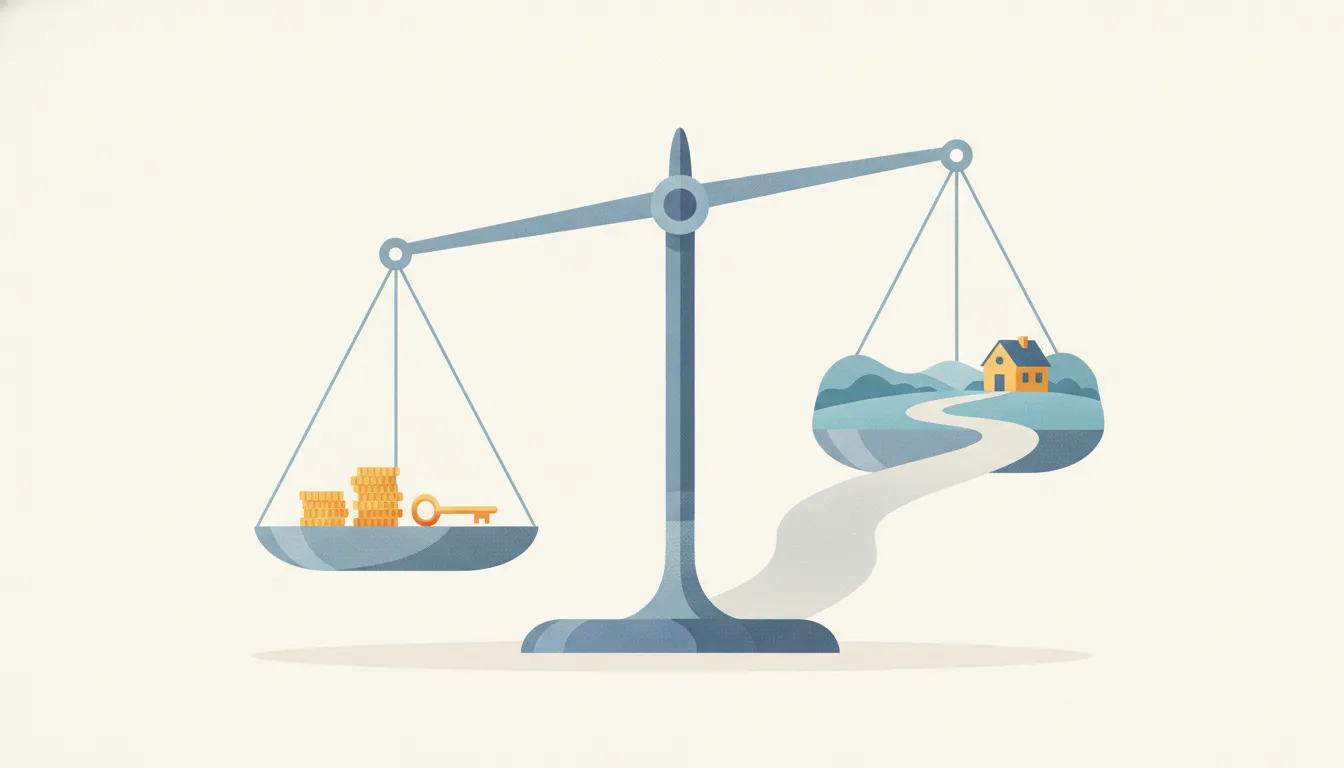
Refinancing: Three Ways to Measure Whether It Pays Off
A refinance break-even usually counts only closing costs. See three ways to check a refinance, including term, costs and balance, with a worked example.
Read the guidance →
Does Rising Rent Make It Harder to Save for a Home?
See how a rent increase can slow saving for a down payment, what Federal Reserve survey data says renters cite as barriers, and questions that help you plan.
Read the guidance →
Sorting Your Debts by Cost, Purpose and Monthly Weight
Learn to sort household debts by interest cost, what each one financed and how much it weighs on monthly income, with a worked example and questions to ask.
Read the guidance →
Behind on the Mortgage? Options to Weigh Before Tapping a 401(k)
Falling behind on a mortgage? Learn what servicers and HUD-approved counselors offer, and how 401(k) hardship withdrawals and loans work under IRS rules.
Read the guidance →
Does Inflation Lighten a Fixed Loan Payment? A Closer Look
Learn how inflation changes the real weight of a fixed-rate loan payment, with a worked example and the caveats that can keep the benefit from showing up.
Read the guidance →
Borrowing Against Your Home to Invest: What Is at Stake
Why FINRA calls borrowing against your home to invest risky: foreclosure risk, variable rates, losses beyond your stake, plus a worked example and questions.
Read the guidance →
A Five-Minute Retirement Check: Spending, Social Security and the Gap
Estimate what retirement might cost with a rough check of spending, Social Security and the savings gap, plus the limits of the multiply-by-25 rule of thumb.
Read the guidance →
What 50 Years of Mortgage Rates Can and Can't Tell You
See how weekly 30-year mortgage rates have ranged since 1971, how much a few points change a payment, and why the past is context rather than a prediction.
Read the guidance →
Small Savings, Long Time: Why Compounding Starts Slow
See why compounding feels slow at first and speeds up later. A monthly savings example compares 10 to 40 years and the cost of waiting ten years to start.
Read the guidance →
Safety, Liquidity and Return: Questions to Ask About Your Home
Use safety, liquidity and return as three lenses on your home and mortgage, with questions on rate risk, reachable cash and what each dollar is doing.
Read the guidance →
Building Credit From Scratch: Tools, Trade-offs and Habits
Learn how credit histories are built, how secured cards and credit-builder loans work, which accounts do not help, and the habits the CFPB says matter most.
Read the guidance →
When Two Housing Numbers Rise Together: Correlation vs. Cause
Two housing or money numbers can rise together without one causing the other. Learn a simple way to read charts and headlines before using them in a decision.
Read the guidance →
Talking With a Mortgage Professional: Pay, Incentives and Questions
Learn how loan officers are generally paid, why that matters, and which written comparisons and questions help a borrower prepare for a mortgage conversation.
Read the guidance →
Automatic Enrollment and Escalation: How Plan Defaults Work
Learn how automatic enrollment and escalation work in workplace retirement plans, what the IRS says about opting out, and questions to ask about your plan.
Read the guidance →
Why Losses Loom Large: Loss Aversion in Household Money Choices
Loss aversion can make a sure cost feel larger than a bigger gain later. See how it shows up in refinancing and risk choices, and which questions help check it.
Read the guidance →
When Your Home Is Most of Your Net Worth: Concentration Risk
A home can be the largest part of a household's net worth. See how concentration shows up in a simple example and which questions help weigh risk and liquidity.
Read the guidance →
How Banks Earn on the Gap Between Savings and Loan Rates
Learn how banks earn money from the gap between what they pay on deposits and charge on loans, with a simple example and questions about your savings and debt.
Read the guidance →
A Mortgage Is a Timeline, Not a Snapshot: Testing a 30-Year Loan
A mortgage rate is a snapshot, but the loan lasts decades. See how a household can test a 30-year payment against income, cost and market changes.
Read the guidance →
Mastering Finances Through Money Management Courses
Find out how money management courses equip you with tools to budget, save, and reduce debt effectively.
Read the guidance →
Unlock Financial Freedom with Literacy Courses
Explore the benefits of taking a financial literacy course and improve your money management skills.
Read the guidance →
Empowering Young Minds: The Importance of Financial Literacy for Future Success
Explore why financial literacy matters for young people, the challenges they face, and practical ways to build money skills.
Read the guidance →
Empower Your Community with Financial Literacy
Uncover the extensive benefits of financial literacy services in empowering individuals and communities.
Read the guidance →No articles found.
Try a different search or clear the filters to browse all articles.